Quick answer
Solar panels commonly remain in service for 25 to 35 years, and some continue producing beyond that range. They do not usually stop working on a specific anniversary. Their output tends to decline gradually, while warranties, equipment condition, installation quality, weather exposure and the roof beneath the array all affect the system’s useful life.
A 25-year solar panel warranty is not an expiration date. It is a defined coverage period with specific terms. When that period ends, a functioning panel may still generate electricity—just not necessarily at the same output it delivered when new.
That distinction changes how homeowners should evaluate a long-term solar investment. The useful questions are not only “How old are the panels?” but also “How are they performing, what coverage remains, which components may need service sooner and will the roof last alongside them?”
25–35 years
A common planning range for panel service life
Gradual change
Output typically declines rather than ending suddenly
Whole-system view
Panels, inverter, mounting, wiring and roof age together
Solar panel lifespan is not an expiration date
Solar panels are built for long-term outdoor exposure. The photovoltaic cells sit beneath protective glass inside a durable frame, and the panels themselves have no moving parts. That helps explain why they can continue operating for decades.
Still, “lifespan” can mean several different things. A panel may remain operational after its warranty ends. It may also produce electricity while delivering less output than it did when new. Understanding the terms below prevents the longest warranty number from being mistaken for the complete life of the system.
| Term | What it means | What to verify |
|---|---|---|
| Service life | How long a panel or system continues operating in real conditions | Current production, equipment condition and repair practicality |
| Degradation | A gradual reduction in potential output over time | The manufacturer’s stated performance threshold and measurement method |
| Warranty term | The period when specific protection may apply | Provider, exclusions, claim process and included labor |
| System life | The working life of panels plus other equipment | Inverter, wiring, mounting, monitoring and roof condition |
The U.S. Department of Energy cites an average operational lifespan of roughly 25 to 35 years for modern solar panels. That range is useful for planning, but it is not a promise for every panel or every home. Product selection, installation, climate, damage and long-term system care can all move the actual result.
What happens to solar panel output as panels age?
Solar panel degradation is a gradual decline in the amount of power a panel can produce under the same conditions. It is different from an abrupt failure. An older panel may still work every day while producing somewhat less electricity than it did earlier in its life.
The key distinction
Degradation is not the same as failure
Gradual degradation
The panel continues producing, but its maximum potential output slowly changes.
Equipment or system issue
An unexpected drop, alert or shutdown may point to a fault that needs diagnosis.
Household solar production also changes for reasons unrelated to age. Seasonal sunlight, clouds, snow cover, new tree growth, debris, electrical issues and inverter behavior can affect the numbers shown in a monitoring platform. A year-to-year comparison should account for these variables before assuming the panels themselves have degraded.
If you want to understand what the system’s wattage means in energy terms, see how solar panel power becomes daily and annual kWh.
Solar panels may outlast other parts of the system
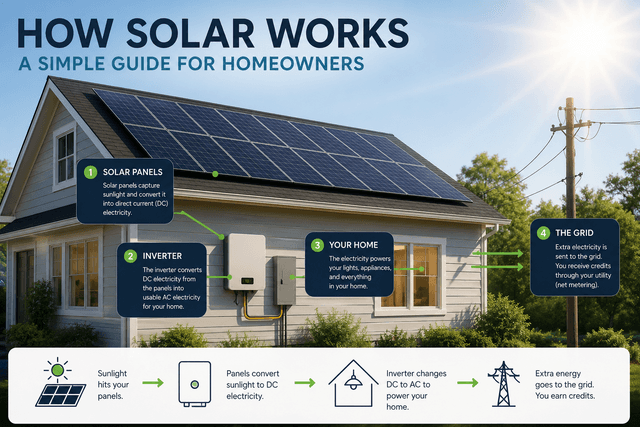
A rooftop solar system is more than its panels. The inverter converts direct-current electricity from the array into alternating-current electricity the home can use. Racking secures the panels. Wiring carries power. Monitoring helps identify unusual operation. Each part can have a different service schedule and warranty.
| System element | Long-term role | Planning question |
|---|---|---|
| Solar panels | Generate electricity and typically remain in service for decades | What product and performance coverage applies? |
| Inverter | Converts the array’s electricity for household use | What is its warranty and expected service path? |
| Mounting and wiring | Secure and connect the system | Who handles installation-related service? |
| Monitoring | Shows system production and may surface alerts | What tools and support are included in the agreement? |
| Roof | Supports the array throughout its installed life | Is its remaining life aligned with the solar timeline? |
This is why comparing solar proposals only by panel warranty can be misleading. Homeowners should understand the equipment package, installation coverage, monitoring access, service responsibilities and roof plan together.
Plan the complete system
Long-life equipment needs a long-term home plan
A Trinity Solar consultation can connect expected production, roof condition, equipment choices and current warranty terms to the specific home.
What affects how long solar panels last?
Panel age alone cannot predict system condition. The factors below shape how the equipment experiences decades of outdoor use and how quickly a problem is identified.
01
Panel and component quality
Materials, construction and manufacturer quality controls influence durability and long-term output.
02
Installation quality
Mounting, electrical work, cable management and roof penetrations should be designed for long-term exposure.
03
Weather and climate
Temperature swings, wind, hail, snow, moisture and salt air create different stresses by location.
04
Roof condition
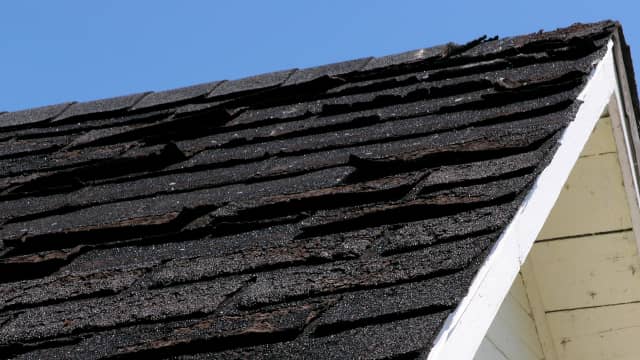
A roof nearing replacement can require the array to be removed and reinstalled before the panels reach the end of their service life.
05
Physical damage
Severe weather, falling debris or unrelated roof work can create service needs that normal aging does not.
06
Monitoring and response
Recognizing sustained changes can help a homeowner seek support before an issue goes unnoticed for months.
Solar panels generally require limited routine maintenance, but “low maintenance” does not mean “ignore the system.” Review solar panel maintenance, monitoring and damage guidance before cleaning panels or responding to a visible concern.
How do solar panel warranties work?
The phrase “solar warranty” can refer to several separate protections. They may come from different providers, run for different periods and cover different events. The current written agreement and warranty documents—not a general article—control the actual coverage.
Product warranty
May cover eligible manufacturing defects in a panel or another piece of equipment.
Performance warranty
May state a minimum output level or degradation limit under defined testing and claim conditions.
Labor or workmanship
May address eligible installation work, subject to the provider’s term, exclusions and process.
Trinity’s published warranty information currently lists a 25-year solar panel warranty for upfront purchases, along with separate terms for inverters, labor and roof penetrations. Coverage can differ by product, payment arrangement and agreement, so confirm the documents that apply to the specific proposal.
Questions to ask before signing
- Who provides each warranty?
- What event or performance threshold starts a valid claim?
- Are diagnosis, labor, shipping, removal and reinstallation included?
- How does coverage differ by panel, inverter and workmanship?
- What happens if the home is sold?
- Who should the homeowner contact for service?
See Trinity’s current solar panel warranty overview, then verify all terms in the proposal and final agreement.
Will the roof last as long as the solar panels?
Not always. A solar array can remain installed for decades, so the roof’s age, material and condition should be assessed before panels are added. Installing a long-life system over a roof that will soon need replacement can create an avoidable removal-and-reinstallation project.
Align the timelines
The goal is not simply a roof that can hold panels today. It is a roof plan that makes sense for the expected life of the solar system.
A pre-installation roof assessment can identify aging shingles, active leaks, decking concerns and other conditions that may change the project sequence.
If the roof is already approaching replacement, review why replacing a roof before solar may be the cleaner sequence. If panels are already installed, see what to expect when replacing a roof with solar panels.
How can you tell when a solar system needs attention?
Age by itself does not prove that a system should be replaced. A sustained production change, monitoring alert or visible condition is more useful evidence that the system needs professional review.
| What you notice | What it may mean | Safer next step |
|---|---|---|
| A sudden, sustained drop in production | Equipment, wiring, shade, weather or monitoring issue | Compare conditions and contact system support if the change persists |
| Inverter error or monitoring alert | A condition requiring diagnosis | Follow system guidance and contact the appropriate service provider |
| Visible panel, mounting or wiring damage | Weather, debris or physical impact | Keep clear of the equipment and request professional inspection |
| Roof leak or planned roofing work | Roof and solar coordination may be required | Contact the solar provider before another contractor disturbs the array |
Do not climb onto the roof or handle electrical equipment to investigate. Use monitoring tools where available, document the issue and contact qualified support. Homeowners in their first year can also review what to expect after the solar system is activated.
Plan for decades, not only installation day
Solar panels commonly remain productive for decades, but the strongest long-term plan considers more than panel age. It aligns the roof, equipment, warranties, monitoring and service responsibilities before the system is installed.
When comparing solar options, ask how the proposed system is expected to perform over time, what each warranty actually covers and who remains responsible if the equipment or roof needs attention. That information is more valuable than treating “25 years” as one universal promise.
Build the long-term plan
See how solar could fit your home for the years ahead
A Trinity Solar Expert can review the home’s electricity usage, roof condition, solar potential, available equipment and current warranty terms.
Continue learning