Quick answer
If a roof needs replacement after solar panels have been installed, the panels generally must be safely shut down, removed and stored before roofing begins. After the new roof is complete, the mounting system and panels are reinstalled, inspected and returned to service. The most important planning question is who will coordinate the solar and roofing work—and who is responsible at every handoff.
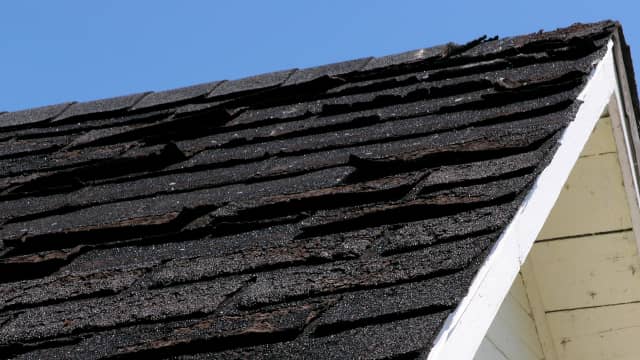
Replacing a roof under an existing solar system is manageable, but it is not a standard roofing project. The roof protects the home, while the mounted solar equipment includes electrical components, attachment points and warranties that must be handled correctly.
The strongest project plan treats the roof and solar array as one sequence. That reduces avoidable delays, protects the equipment and gives the homeowner a clear point of contact if the schedule changes or a question appears after the work is complete.
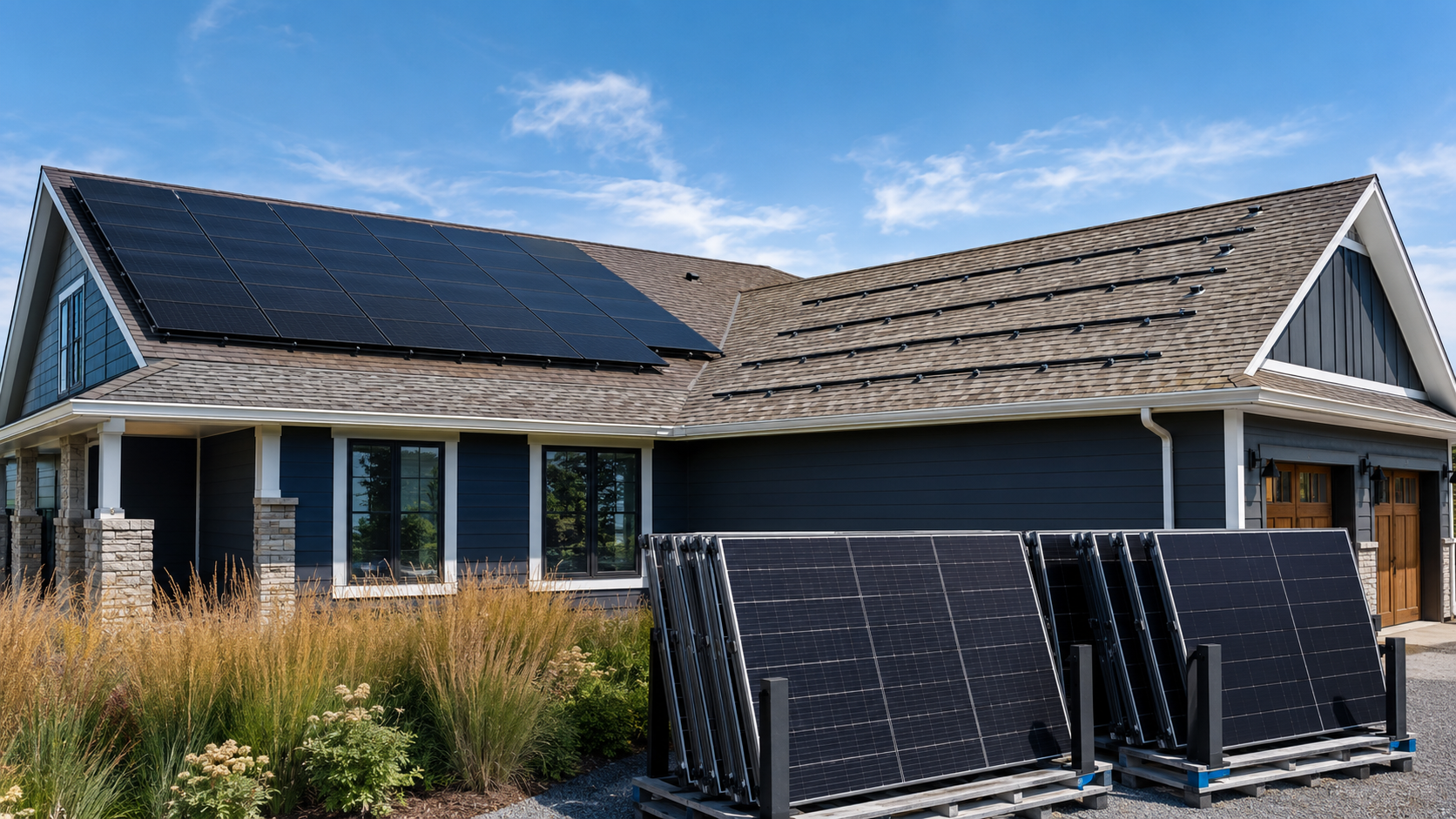
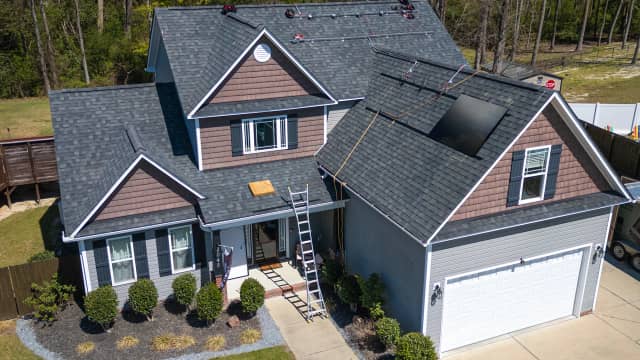
Remove
Shut down, document and safely remove the solar equipment
Replace
Complete the roof work and prepare the new surface for solar
Reinstall
Reattach, inspect and return the solar system to service
Do solar panels have to be removed to replace a roof?
In most full roof replacements, yes. Roofing crews need clear access to remove the existing roofing materials, inspect or repair the roof deck, install underlayment and flashing, and place the new roofing system. Working around an installed array can block access to important areas and prevent the roof from being replaced as a complete system.
Solar panels should be removed by a qualified solar professional who understands the equipment, electrical shutdown procedure, mounting system and documentation needed for reinstallation. A roofing crew should not be expected to disconnect or move solar equipment unless it is specifically qualified and authorized to do so.
Planning rule
Schedule the solar removal before committing to the roofing date
A roofer may be ready before the solar team is available. Confirm the complete remove-and-reinstall sequence first so the exposed schedule, equipment storage and expected solar downtime are understood before work starts.
A limited repair may not always require the entire array to be removed. The answer depends on where the damage is located, how much working room is needed and whether the affected roof section sits beneath or near the panels. The solar provider and roofer should agree on the scope before either crew arrives.
The five stages of roof replacement with solar panels
The exact process varies by home, provider, equipment and local requirements. Most projects, however, follow the same five-stage sequence.
01
Inspect and plan
The roof condition, solar equipment, array layout and project scope are reviewed. The teams confirm who will obtain permits if needed, where equipment will be stored and how the schedules connect.
02
Shut down and remove
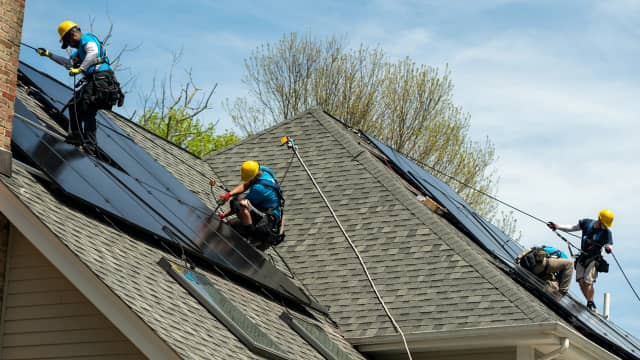
The solar system is safely shut down. Panels and necessary mounting components are documented, disconnected and removed so the roofers have access to the work area.
03
Replace the roof
The old roofing is removed, the roof deck is evaluated and necessary roofing components are installed. Any change that could affect the solar layout should be communicated before reinstallation.
04
Reinstall the array
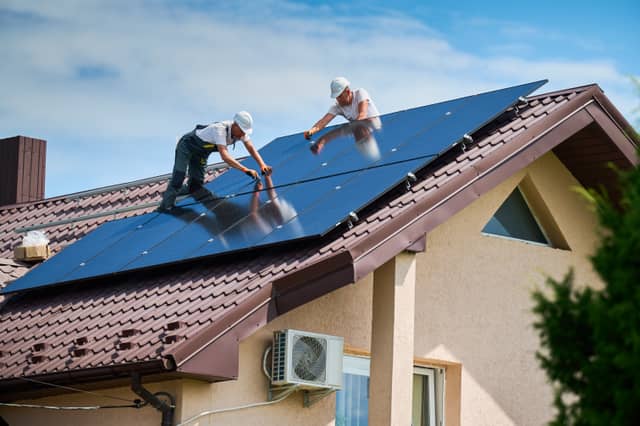
The mounting system and panels are reinstalled on the completed roof. New attachment hardware or flashing may be required depending on the original system and the new roof.
05
Inspect and restart
The system is checked after reinstallation and returned to service when the required work, inspections and approvals are complete. Monitoring should be reviewed to confirm normal operation.
| Project stage | Main decision | Confirm before moving on |
|---|---|---|
| Planning | One coordinated team or separate contractors | Scope, contacts, schedule and written responsibility |
| Panel removal | What equipment must be removed or replaced | Shutdown, documentation, storage and equipment condition |
| Roof replacement | Whether deck or layout changes affect the array | Roof readiness and any revised attachment plan |
| Reinstallation | Reuse or update mounting components | Weatherproofing, electrical checks and inspection needs |
| Restart | When the system can return to service | Monitoring, documentation and warranty records |
One coordinated company vs. separate solar and roofing companies
Either structure can work. The difference is how much coordination falls to the homeowner and how clearly responsibility is documented between crews.
| Planning factor | One coordinated provider | Separate companies |
|---|---|---|
| Scheduling | One team manages the sequence | Homeowner or project manager aligns both calendars |
| Communication | Fewer handoffs and one primary contact | Scope changes must reach both contractors |
| Warranty questions | Roof and solar responsibilities may be easier to trace | Each contractor’s warranty boundaries should be documented |
| Problem resolution | One starting point for service questions | The responsible trade may need to be identified first |
If Trinity installed the solar system, start by contacting Trinity before scheduling another roofer. Trinity can review the system and explain the available path for panel removal and reinstallation. Homeowners comparing a combined project can also review Trinity’s residential roofing and solar services.
Plan the roof and solar work as one project
A coordinated review can identify the required removal scope, roofing needs, reinstallation plan and potential scheduling dependencies before the roof work begins.
How long will the solar system be offline?
The system will normally be offline from the time it is shut down for removal until it has been reinstalled and cleared to return to service. That does not mean the solar work itself takes the entire period. The total downtime can also include the wait between crews, roofing duration, weather delays, inspection timing, equipment availability or repairs discovered after removal.
No universal timeline fits every project. A straightforward, well-coordinated job may move quickly, while a project involving damaged decking, changed roof geometry, older equipment or local inspection requirements may take longer.
Before removal
Ask for the planned removal, roofing and reinstallation dates—not only the roof start date.
During roofing
Confirm who communicates deck repairs or roof changes that could affect reinstallation.
After restart
Review system monitoring and keep the completion records with the roof and solar documents.
During downtime, the home typically receives electricity from the utility as it did before solar. The household should expect reduced or no solar production until the array is returned to service. The bill impact depends on the length of downtime, household usage, season, utility rates and the customer’s agreement.
What happens to the panels, mounts and other equipment?
Panels that remain suitable for service may be reinstalled, but the complete system should be evaluated rather than assuming every original component will return to the roof unchanged. Mounting hardware, flashing, wiring management and other parts may need replacement based on their condition, the new roofing system and current installation requirements.
Before removal, ask how the equipment will be documented and where it will be stored. Panel condition and visible system issues should be recorded so everyone has the same baseline. Storage should protect the equipment from impact, weather, theft and unnecessary handling.
A roof replacement can also reveal conditions that were not visible earlier. Damaged decking, altered roof planes, relocated vents or structural work may require the solar layout or attachment plan to be updated. Those changes should be resolved before panels return to the roof.
How does roof replacement affect warranties?
There can be several separate warranties involved: the roofing material warranty, roofing workmanship warranty, solar equipment warranty and solar installation or workmanship coverage. A financing, lease or power purchase agreement may add its own service and approval requirements.
Do not rely on a verbal statement that the work “should be covered.” Before authorizing removal, ask each responsible company to explain in writing:
- Who is authorized to remove and reinstall the solar equipment?
- Which warranties remain in effect after the work?
- Who handles a roof leak near a solar attachment?
- What documentation is required after reinstallation?
- Who pays if damaged or incompatible components must be replaced?
Trinity customers can review the current roofing warranty details and discuss how those terms apply to their specific project. Coverage, exclusions and responsibilities depend on the applicable agreements and work performed.
If the solar system is financed, leased or under a PPA
Contact the system owner or provider before arranging roof work. The agreement may control who can service the equipment, which approvals are required and how removal-and-reinstallation costs are handled.
What affects the cost of removing and reinstalling solar panels?
The cost is project-specific. The number of panels matters, but it is not the only variable. Roof height and pitch, array layout, equipment condition, mounting system, storage, permits, inspection requirements and the amount of hardware that must be replaced can all affect the scope.
| Cost factor | Why it changes the scope |
|---|---|
| Array size and layout | More panels or multiple roof planes require more removal and reinstallation work |
| Roof access and pitch | Steeper, higher or complex roofs may require additional labor and safety planning |
| Equipment condition | Damaged, aged or incompatible components may need replacement |
| Mounting and flashing | The new roof may require new attachment or weatherproofing components |
| Permits and inspections | Local and utility requirements can add administrative or scheduling steps |
Request a written scope that separates roof work from solar removal and reinstallation. It should state what is included, which conditions could change the price and who authorizes additional work. If a new roof is being financed, Trinity’s roofing payment options provide another planning pathway; availability and terms vary by applicant and project.
Seven questions to ask before scheduling the project
Use these questions to expose gaps before the system is offline and the roofing crew is waiting:
- Who will remove and reinstall the solar panels? Verify qualifications, authorization and the exact work included.
- Who owns the master schedule? Identify the person responsible for connecting the solar and roofing dates.
- Where will the equipment be stored? Confirm how the panels and reusable components will be protected.
- What could change the timeline or price? Ask about decking repairs, damaged equipment, weather and inspections.
- Will any mounts, flashing or wiring components be replaced? Clarify what is included rather than assuming every part will be reused.
- How will warranties be protected? Obtain the requirements and responsibility boundaries in writing.
- How will normal operation be confirmed? Ask who restarts the system, checks monitoring and provides completion records.
The goal is not merely to get the panels back on the roof. It is to finish with a sound roofing system, a properly reinstalled solar array and a clear record of who completed each stage.
Final thoughts: Solve the handoffs before the roof work starts
A roof replacement with existing solar panels is a coordinated construction and electrical project. The physical sequence—remove, replace and reinstall—is straightforward. The risk lives in unclear responsibility between those stages.
Start with the solar provider, confirm the roofing scope and build one schedule that covers removal through restart. Written responsibilities, protected equipment, compatible roof details and a defined post-installation check can prevent the most common project friction.
Plan your roof replacement around the solar system
A Trinity Roofing Expert can review the roof, existing solar equipment and project goals to help define the next step.
Continue learning
Recognize visible and structural warning signs. Before installationShould you replace the roof before solar? →
Coordinate the roof’s remaining life with a new array. Roof materialsChoose shingles for a solar-ready roof →
Compare performance, protection and color options. Roofing servicesExplore Trinity roofing and solar →
See the installation process, warranty and project options.